What do you think about when you choose what to eat? Probably your personal preferences, sometimes your health or weight, maybe just convenience and what’s available. But how often do you consider how your diet affects your oral health?
Many people are unaware of the strong link between oral health and general wellness. The state of your teeth and mouth can be a predictor or indicator of your overall health. Numerous studies have shown a correlation between gum disease and serious health conditions such as diabetes, heart disease, and even cancer.
Nutrition plays an important role in periodontal health, along with professional care. If you’re wondering what to eat to improve your oral health and reduce your risk of gum disease, this article will provide some insight.
How Nutrition Affects Gum Health
When you think about your oral health, your teeth are most likely the first thing to come to mind. But the support structures for your teeth, such as your jaw and gums, are just as important. The most common condition affecting gum health is periodontal disease, a bacterial infection of the gums caused by a buildup of plaque and tartar on the teeth.
Inadequate nutrition or lack of certain nutrients can increase your risk of gum disease by causing inflammation and poor circulation, preventing the gum tissue from being able to fight off infection and properly heal. Dietary choices can also increase bacteria levels in your mouth, leading to a higher chance of infection.
Key Nutrients That Support Healthy Gums
The following nutrients are especially beneficial to your oral health:
- Vitamin C: promotes collagen production, gum tissue strength, and immune health.
- Calcium and vitamin D: supports bone and tooth structure. Calcium provides strength and vitamin D aids in absorption of calcium.
- Omega-3 fatty acids: anti-inflammatory benefits, fights harmful bacteria, and promotes saliva production.
- Antioxidants: help protect gum tissue from damage by neutralizing damaging free radicals, fighting harmful bacteria, accelerating tissue repair, and reducing inflammation.
Foods That Promote Periodontal Wellness
The best way for the body to absorb the nutrients listed above is through the following foods:
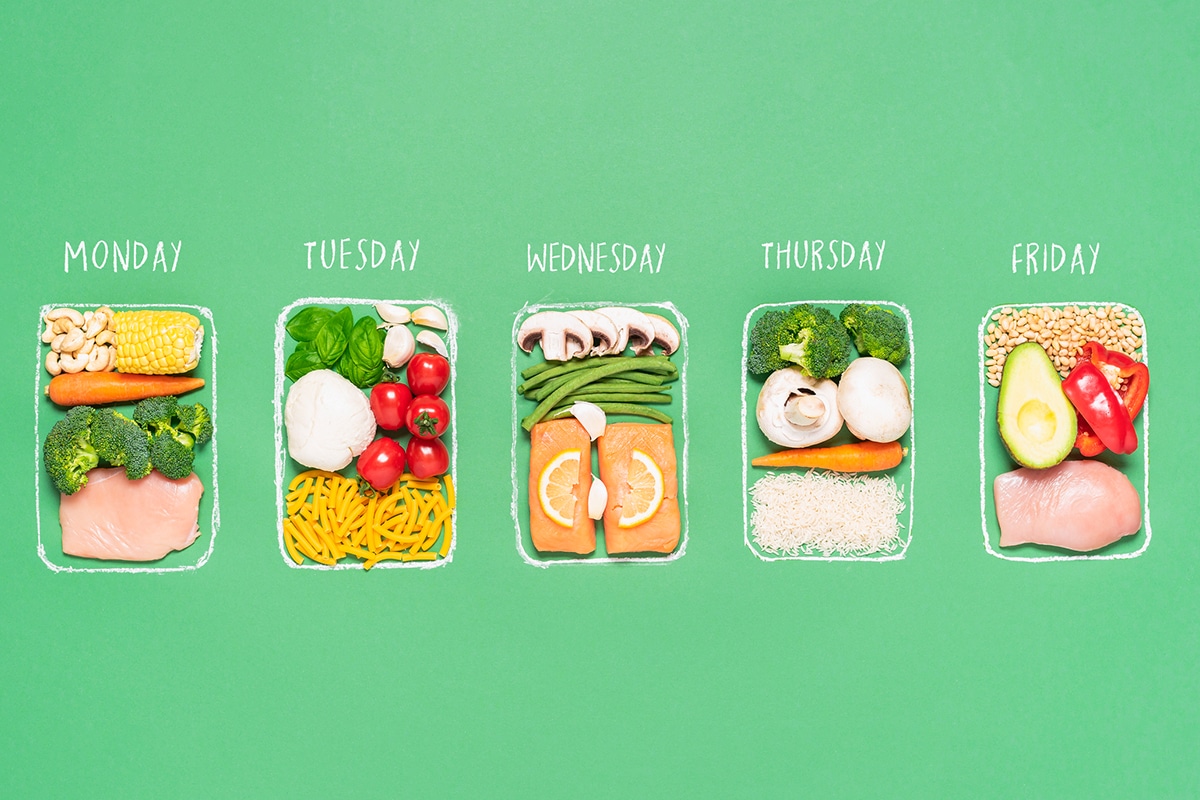
- Fruits and vegetables that support gum healing and saliva production, such as apples, carrots, bell peppers, strawberries, and celery.
- Lean proteins that aid tissue repair, such as chicken, fish (salmon, tuna), turkey, eggs, Greek yogurt, tofu, legumes (lentils, beans), nuts, and seeds.
- Dairy and fortified foods that contribute to bone health, such as milk, yogurt, cheese, cereal, juices, and tofu.
Taking vitamins orally can also provide these nutrients, although they are better absorbed from natural sources.
Foods to Limit or Avoid
The following foods may increase plaque buildup or inflammation, and should be consumed in moderation or not at all:
- Added sugars: soda, candy, syrup, and packaged foods
- Refined carbohydrates: white bread, white rice, pasta, pastries, and crackers
- Unhealthy Fats: trans fats (margarine, fried foods, processed snacks) and excessive saturated fats (red meat, full-fat dairy)
- Processed & Red Meats: bacon, sausage, hot dogs, deli meats, and excessive red meat
- Fried Foods: French fries, donuts, and fried chicken
- Excessive Alcohol: can dehydrate, reduce protective saliva, and increase inflammation
- Salt: High sodium in processed foods can irritate gums and contribute to inflammation
Nutrition as Part of a Comprehensive Periodontal Care Plan
Mindful nutrition, though important, is only part of maintaining a healthy mouth. Professional periodontal care should be a part of your healthcare routine. If you’ve ever had gum disease in the past or if you’re struggling with it now, a periodontist can provide scaling and root planing, as well as other periodontal treatments to help treat and reverse the effects.
Nourishing Your Gums for Long-Term Periodontal Health
Eating nutrient-rich foods nourishes your gums, reducing the risk factors for periodontal disease. And when you combine smart dietary choices with regular periodontal care, you can achieve long-term oral health. Medford Periodontics is here to support your gum health and provide the care you need for a healthy mouth. Call 609-953-3700 or contact us today to schedule a consultation.
Frequently Asked Questions About Periodontal Health
Can changing my diet improve gum disease?
Dietary changes can help reduce inflammation and support healing, but professional periodontal treatment is often needed to address existing disease.
Are supplements helpful for gum health?
Supplements may be beneficial for some patients, but it is best to consult with a periodontist before adding them to your routine.
At Medford Periodontics we provide the professional care and guidance you need for long term oral health. Dr. Ben Calem and his team create personalized treatment plans to meet the individual needs of each patient in a comfortable and relaxing environment. Contact us today to learn more and schedule an appointment.